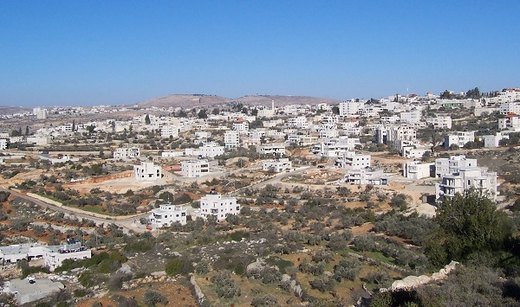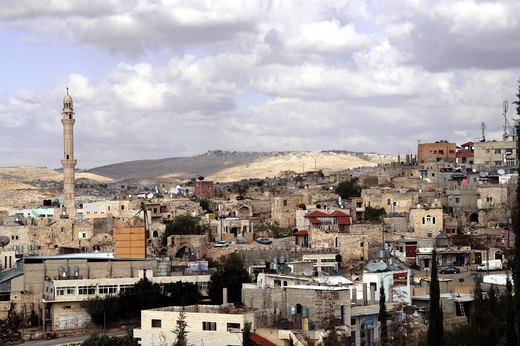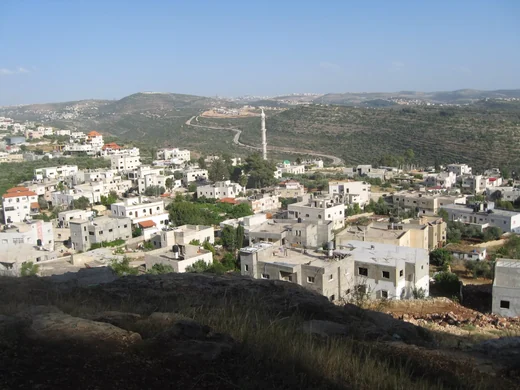
The name is Canaanite, shared in origin with Beit Sahour’s neighbours: Bethlehem, “house of bread”, and Beit Jala, the market, named for its height where vegetables, fruit and meat were kept for long periods.
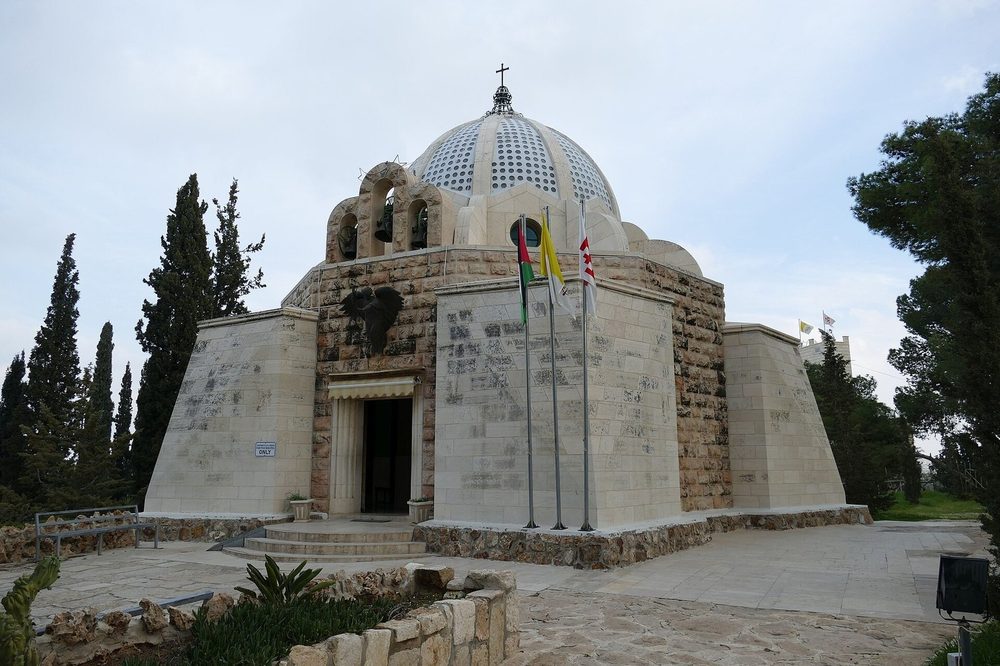
As pilgrimage flourished, and with the Shepherd’s Field monastery in Beit Sahour and the Nativity Church in Bethlehem, traditional arts revived — among them mother-of-pearl inlaid on olive wood and embroidery on cloth.
The town is known for strong family ties, and its workshops still produce a range of crafts that support many households.
Source: “Beit Sahour” — Wikipedia, https://en.wikipedia.org/wiki/Beit_Sahour
Cover photo: Bukvoed — Wikimedia Commons, CC BY 4.0.