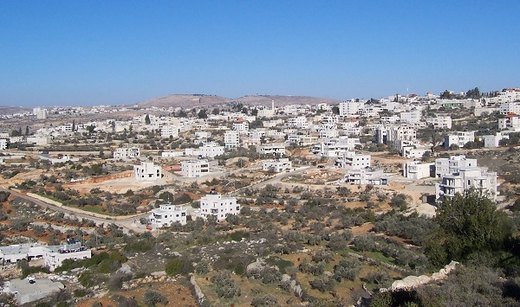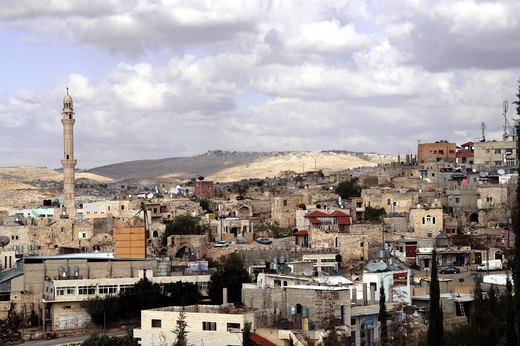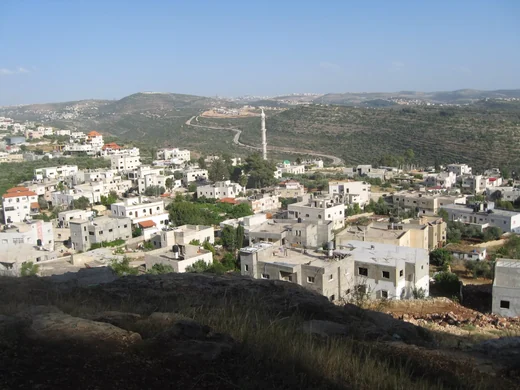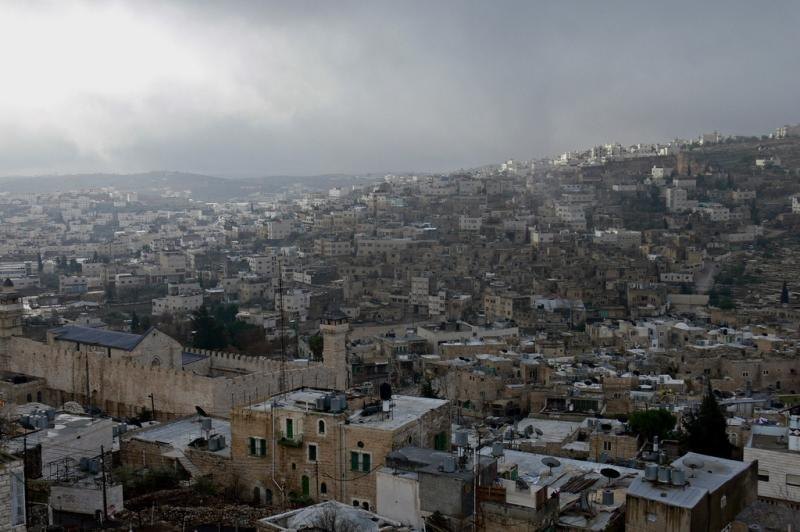
In the old-town alleys beside the Ibrahimi Mosque, Hebron’s crafts are still practised: glass, pottery and ceramics; leather tanning; copper brightening; carpentry and blacksmithing; spinning and weaving; presses for olive and sesame oil; preserving by drying, salting and sugaring; and grain milling.
Under Ottoman rule the city became known for lanterns and coloured glass, and its progress was such that Hebron’s manufactures were shown at the world exhibition held in Vienna in 1873.
In July 2017 UNESCO inscribed the Old Town of Hebron and the Ibrahimi Mosque on the List of World Heritage in Danger, as an area of outstanding universal value.
Source: “Hebron” — Wikipedia, https://en.wikipedia.org/wiki/Hebron
Cover photo: See The Holy Land — Wikimedia Commons, CC BY-SA 2.0.